Know Any Literary Animal Lovers?

Hi there PureJeevan readers! We wanted to let you know that Jim's new novel CHROO is available on Amazon. It's a crazy adventure involving a billionaire heiress, her Chihuahua BFF ("Chroo") and a host of human and animal characters. Find out more on Amazon! Here are some links:
Jim here... Yesterday, Wendi toughed it out and typed up a lengthy health update (a painful process for her -- trust me!). So, for the rest of this week, I'm going to fill in here (letting her get back to her resting and healing) and share a few interesting stories related to this Lyme adventure. But first, I wanted to add that today brought some great improvements in Wendi's condition. She was able to do a physical movement (wrapping a towel around her head) without pain for the first time in months. So, we really think those antibiotics are starting to kick in.
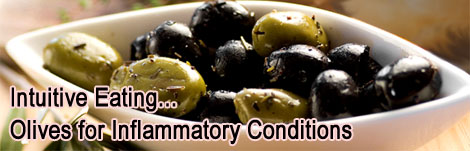
Today's topic is intuitive eating. I'm certain we've covered this many times on the blog here. So, rather than explain what it is again, I'll just share an intresting example. Basically, while dealing with these Lyme symptoms, Wendi experienced a serious craving for olives.
[Sorry, we lost the pic in a web update... will repost if we find it!]
Last night, Jim ate the first warm food he's had in over a year! I created a dinner that was placed in the dehydrator for about an hour before it was served. This dish is delicious at room temperature, also, but I thought it might be more special if I served it a bit warm. Jim thought it was a nice change to the colder temperatures of the smoothies he's been practically living on!
Here's the recipe, if you think you'd like to try it.

In this special five-part series, Joanna Steven uncovers where some top vegetarian athletes get their protein. Here's part two, focusing on Koya Webb's take on this issue.
ALMONDS
?The greater the percentage of raw food in the diet, the greater the health benefits? is Koya Webb, fitness model, personal trainer, triathlete and body builder's personal motto. Koya's sculpted physique won 1st place in the Ultimate Fitness Events "Fitness Model" and "Bikini Model" competitions and has modeled for Nike, Adidas, New Balance, Muscle and Fitness, Her Sports, Royal Caribbean and Triathlete magazine, to name a few. As a living-foodist (one who eats 60% or more uncooked veggies, nuts, seeds, and super foods) Koya believes eating all natural ?fruits of the earth? can help heal cancer, diabetes, and other diseases plaguing our society today.
Read more: Vegetarian Athletes Share: Top 5 Sources for Animal-free Protein (Part 2 of 5)

Continuing with our week of ways to keep a sharp mind, let's focus on the one widely accepted indicator for dementia or alzheimer's: heart disease. If one wants to dramatically reduce the chances of brain degredation, the first step to take is keeping the heart healthy.
The key advice most health specialists agree on when it comes to a healthy heart is the reduction (ideally eliminatain) of unhealthy fats in the diet. The unhealthy fats are usually seen as solid fats, like butter, margerine, and shortening. However, it's important to not overlook the fats that are also found in meats. By substituting unhealthy fats with something healthier for your heart (like extra virgin, cold-pressed olive oil), as well as transitioning to leaner meats if you are a meat eater, you will be taking some important steps in keeping your heart healthy, as well as your mind.

On March 1st we started a Juice-a-Day Jamboree, to challenge ourselves (and our readers) to include more fresh juice into our diets. We knew we weren't ready for an all-out juice feast, but a juice a day seemed like something we could commit to in our daily lives. So, the Juice-a-Day Jamboree was born. We've been posting periodic updates on our original post about the Jamboree, but figured we'd post periodic juice updates in the main part of our blog, as well, to encourage others to add some more fresh juice to your diets, as well.
We've missed one day of juice since we started the Jamboree. Our original goal was to have our juice first thing in the morning, but we weren't always successful with that. So, we told ourselves that any time of the day is fine, but if we can start the day with a juice we'd prefer it that way. The changes we've been feeling are more pronounced when we begin the day with fresh juice, rather than when we have our juice later in the day.
Today we bring you the last of our personal video interviews conducted while at the Raw Spirit Festival (RSF East 2009). I'll have one other highlight reel to run next week, just to round out this series by showing some of the additional ambience there.
So, we've finally come to the "infamous Viktoras video"! I smiled as I wrote that because it was quite the topic of discussion around our camp site. You see, one of my fellow campers, BH, was with me as we interviewed Viktoras (she filmed the interview, in fact) -- and, well... let's just say he strayed a bit from the expected raw food subject matter. I was worried that poor BH would be scarred for life after witnessing the discussion, but she did seem to get a good laugh out of it, and I suppose she's fully old enough to attend an R-rated movie.

Two years ago, we were putting the final touches on launching the Pure Jeevan web site and blog. (While the blog archives show material dating back to 2006, the material from '06 and '07 is all pulled from Wendi's "Going Raw" journal, which was kept on another site. We pulled it into this site when we launched it to give those starting out on raw an inside look at one person's experiences in transitioning to a raw food diet.)

It's Fun-Filled Friday again---that week went by so quickly! So, what fun did you have this past week and what fun have you planned for yourself in the near future? It's very important to make the time for fun. We all know that, right? But, how many of us actually carve out the time to have some special fun without stress, without problems---a time when we can laugh and experience the joys of being alive?

Can you believe it's mid-October already ? Here in Pittsburgh, for those lucky few who may have fig trees, that means harvest time! Well, almost. Take a look at this video we made about figs!
As stated in the video, we did a previous installment on figs in our Know Your Food series (which will definitely be returning once we finally sell our home and become full-time raw food inspiration providers!). Please visit that link for nutrition and other information on figs.

As promised, here's another question I'd like to openly address here instead of via Wendi's email system. This one also comes up from time to time, and I told this person to watch out for my two cents on this issue. So, here it is. The reader asks:
... During your transtioning to a raw food diet & the loss of so much weight, what if any exercising were you doing along the way

In a previous Take the Time Tuesday entry, we introduced you to three fantastic raw food snack companies who have offered to donate samples of their products for our upcoming retreat. If you haven't heard about the 3-Day Raw Food Spiritual Retreat, yet, there is still some space for you to join us from May 23-25, 2008! We ve set this retreat up so that it s as affordable as possible. There s a significant savings if you sign up early, too, so be sure to check it out!
Each individual attending the retreat will receive a gift basket filled with delicious raw food treats from some truly fantastic companies. Keep an eye on the retreat page to see other companies that will be sharing delicious raw food snacks with those attending the retreat! Today, we'd like you to...