Know Any Literary Animal Lovers?

Hi there PureJeevan readers! We wanted to let you know that Jim's new novel CHROO is available on Amazon. It's a crazy adventure involving a billionaire heiress, her Chihuahua BFF ("Chroo") and a host of human and animal characters. Find out more on Amazon! Here are some links:
Jim here... Today is April 25, 2009 -- Wendi Dee's Birthday!!? She's asleep now. It's 1:30 in the morning & I've been up for hours assembling something stunningly amazing to share with you. You see, this year, I asked some friends, family, and foodies to take a page of a sketchbook and offer Wendi some Happy Birthday wishes -- and then send it back to me so I could bind it all into a large book!? WOW!!! WOW!!! WOW!!! Check out the response from 40+ people from around the globe. It's a little overwhelming to see this much positive energy in one place. What a momentous day she's in for in another 5 hours or so when she gets up and is greeted by such a surprise! If you'd like to say Happy Birthday, just leave a comment here! Thanks to everyone!
Clarifications: (1) Yes, as some of you may have guessed, Wendi's body has circled the sun more than 25 times. If you visit the site, I explain what the "25th" birthday means a little more. It's basically about the amazing power of raw foods. (2) No, I didn't send messages to David Wolfe, Gabriel Cousens, Woody Harrelson, or other raw food celebrities Wendi isn't friends with. However, if they are huge fans of Wendi's, they are more than welcome to contribute via email or comments! LOL ;-)
Original Comments
Below, we have included the original comments from this blog post. Additional comments may be made via Facebook, below.
On April 25, 2009, wrote:
Happy 25th Birthday Gypsy!!!
I so wish to be there with you celebrating this amazing day, but as I can't, I send you lotsof e-love.
*hugs tightly*
I LOVE YOU!!!
On April 25, 2009, wrote:
Happy Happy Birthday Wendi.............wishing you al the happiness your heart can hold, on this special day of birth and always...........you inspire so many!!!!!
On April 25, 2009, wrote:
Happy Birthday Wendi!
I had posed this question in another post on this site, can't remember where now!
But I will post it here too
On my birthday I like to look back to last year's birthday to see what about me has changed!
What about you Wendi? What has changed about you
Hope there are lots of ovely surprises in store for your big day!
Sheryl Miller
Austrlaia
On April 25, 2009, wrote:
wishing much peace, love and joy to you on this special day... Happy Birthday, Wendi!
On April 25, 2009, wrote:
Happy Happy Birthday, Miss Wendi Dee! I hope your day is a joyous as ever. ;)
On April 25, 2009, wrote:
Very, very Happiest of Birthdays, Dearest Wendi. You give so much of your essence and touch many souls. I wish you a day that is beyond beautiful and filled with joy and blessings as you embark on another wonderful adventure around the sun. And love LOVE love abound...always. xo
Blaq Berry
On April 25, 2009, wrote:
Happy Birthday lovely lady!!! I'm sure you'll be glowing all day! :)
On April 25, 2009, wrote:
Seesmic video reply from Disqus.
On April 25, 2009, wrote:
That is the best present ever!
And Wendi, if you did not know it before, I think you now are sure....
You Are Loved!!!!!!!!!
Happy 25, can't wait for your 24th next year!!!
love love love deb
On April 25, 2009, wrote:
Happy Birthday Wendi. Thank you for being such a light in the world.
On April 25, 2009, wrote:
Happy Birthday Wendi!
What a beautiful book!!! I am so happy to be part of it, and thanks Jim for posting the whole thing! It is just beautiful.
We love you!
~ Melissa
On April 25, 2009, wrote:
Hey Girl! Happy, happy day to you and thank you Jim for inviting Bo and I to be a part of this special day!
Revvell
On April 25, 2009, wrote:
Hey Girl! Happy, happy day to you and thank you Jim for inviting Bo and I to be a part of this special day!
Revvell
(Did this twice since I had to figure out the system)
On April 25, 2009, wrote:
Happy Birthday Wendi GIRL!!!
Have lots of fun in this, your 25th year. Blessing and love all around. Kisses riding on the wind for you.
Much love!
P. Lis
On April 25, 2009, wrote:
Have a wonderful amazing Day of Incarnation, the sweetness of your eternal spirit always shows!
XOXO!!!
Jill
p.s. thank you to Jim for being such an awesome partner :)
On April 25, 2009, wrote:
I'm glad to know Wendi's birthday was as special as she and her family are. And I love the phrase "Wendi s body has circled the sun more than 25 times." I'm gonna try to remember that one for birthdays!!
On April 25, 2009, wrote:
Not even having met you, Wendi, I can always feel your love for others online. Thank you so much for all you do for others. You are a true jewel in this world!!
Much love and birthday hugs,
Jenny
On April 25, 2009, wrote:
May this be the beginning of the happiest birthdays of your life.
love joy and peace
fatima
On April 25, 2009, wrote:
Happy Birthday, Wendi!!
Best wishes!!!
Keep shining!!!
On April 26, 2009, wrote:
Happy Birthday, Wendi! Thanks for all the gifts you've given us!! XOXOXOX
On April 26, 2009, wrote:
Hi Wendi ~ I'm sending HUGE birthday wishes all the way from Washington State! I hope you have a wonderful day!
Debbie *�*
On April 26, 2009, wrote:
Wendi have a blessed day as you have so blessed others.Because you have sown so
much enjoy the returns! Have many more circles around the sun, Love Diane
On April 26, 2009, wrote:
let your light shine and radiate in every nook and corner of our beloved planet and beyond, and let me whisper happy birthday in your ears,thank you for being here
On April 26, 2009, wrote:
Happy Happy Birthday Wendi!!!!
On April 26, 2009, wrote:
Happy, happy, happy birthday Wendi Dee!
hugs from Florida where the coconut grows :)
love
sheila
On April 26, 2009, wrote:
One happy birthday is never enough, here is another one :) <3
I will add to the notebook! I was afraid to sign the real thing, in case it got lost in transit after sending it back :(( I would have felt so awful. I hope you're having an amazing week!
On April 26, 2009, wrote:
Wendi,
So Happy Birthday.I had no idea it was your birthday.I was gone for a few days off computer.BUSY! And still wanted to wish you a Happy belated Birthday! Bye Dianne (DianneRawGirl)
On April 27, 2009, wrote:
Happy Birthday beautiful Wendi!!
You are such a light in this world....I hope your day was filled with light and joy and wonder!
Hugs, Tina
On April 27, 2009, wrote:
Ulol, my love!!! *blows kisses*
This birthday was THE BEST EVER! Even though you weren't physically here with me, it was extra special because I had your special contribution to my birthday book! It made me cry so much to see your page in the book. It was VERY special to me!
I miss you so very much! Thanks for stopping by the blog and leaving a comment, but most of all for always sharing your love and friendship with me.
I love you, too!
Wendi
XOXOXO
On April 27, 2009, wrote:
Thank you so very much, Mary!! It was THE BEST birthday EVER!!
I'm so happy that I can inspire others--all of you have given me so much love in return and that has meant the world to me!
Lots of love to you,
Wendi
XOXOXO
On April 27, 2009, wrote:
Thanks, Sheryl!
I responded to your original question a few minutes ago on the other blog post. :-)
Thanks, again!!!
Lots of love to you,
Wendi
XOXOXO
On April 27, 2009, wrote:
Thanks so much, Carlos!! Thanks for being a special part of my birthday gift, and for saying Happy Birthday to me on your blog, too!
I love you!
Wendi
XOXOXO
On April 27, 2009, wrote:
Thanks so much, WendiLou!!! It was The BEST birthday EVER!!
Lots of love to you,
Wendi
XOXOXO
On April 27, 2009, wrote:
Blaq Berry!!! You are always so loving to me. *hugs* Thanks for your sweet comment. :-) Thanks for being such a special part of my birthday gift!
I love you!
Wendi
XOXOXO
On April 27, 2009, wrote:
I've been glowing all weekend, Rawbin!! It was THE BEST birthday EVER!! It lasted all weekend and continues through today as I read and respond to all of the love-filled comments that have been shared with me. :-)
I love you!
Wendi
XOXOXO
On April 27, 2009, wrote:
My first video reply on the blog!!! I LOVE IT! I LOVE YOU!!
*blows kisses*
XOXOXO
On April 27, 2009, wrote:
It really IS the BEST PRESENT EVER!!! Jim says he's screwed for next year--no way to top this one! ;-)
I think you know me so very well. Yes, I didn't truly realize how much everyone does love and care for me. After this, how can I ever doubt? I am blissfully blessed.
Thank you so very much for being a part of my special gift, Debbie!
I love you!
Wendi
XOXOXO
On April 27, 2009, wrote:
Elizabeth!
Thanks so much! I had THE BEST birthday EVER!!
Lots of love to you,
Wendi
XOXOXO
On April 27, 2009, wrote:
Thanks so much, Melissa! Thanks for making my birthday celebration continue through Sunday, also! You are such a dear friend to me.
I love you!
Wendi
XOXOXO
On April 27, 2009, wrote:
Thank you, Revvell and Bo!! I LOVE that you were both a part of my gift! It has been THE BEST birthday EVER! It's one I'll NEVER forget!
I love you both!
Wendi
XOXOXO
On April 27, 2009, wrote:
Thanks so much, P. Lis!! Thanks for being a part of my gift, also. Jim said he was impressed with your artwork--he hasn't seen your paintings, yet, I told him! You are truly gifted!
Lots of love to you,
Wendi
XOXOXO
On April 27, 2009, wrote:
Jill! Thanks for such a sweet comment. It was THE BEST birthday EVER! I can't even imagine a better one in another incarnation! :-)
Lots of love to you,
Wendi
XOXOXO
On April 27, 2009, wrote:
Oh, it WAS!! It was so very special Allison!! Thanks for being a part of my gift!
Lots of love to you,
Wendi
XOXOXO
On April 27, 2009, wrote:
Thanks so much for your sweet comment, Jenny! You are very welcome--I love helping others.
I hope to one day meet you in person--maybe while we are on our cross-country tour!
Lots of love to you,
Wendi
XOXOXO
On April 27, 2009, wrote:
Fatima! This was definitely the happiest and BEST birthday, ever!! Thanks so much!
Lots of love to you,
Wendi
XOXOXO
On April 27, 2009, wrote:
Thanks, R_Eli! I had a fabulous birthday!!
Lots of love to you,
Wendi
XOXOXO
On April 27, 2009, wrote:
Thanks, Jacki!
You are very welcome for all of the gifts! I love giving to others!
Lots of love to you,
Wendi
XOXOXO
On April 27, 2009, wrote:
More birthday wishes from Debbie! Thanks so much!!
*blows kisses*
Wendi
XOXOXO
On April 27, 2009, wrote:
Thanks so much, Diane! It was surely a blessed day for me!
Lots of love to you,
Wendi
XOXOXO
On April 27, 2009, wrote:
Anasha! Thanks so much for your beautiful birthday wish!!
Lots of love to you,
Wendi
XOXOXO
On April 27, 2009, wrote:
Thanks, Vebanmimi! I had a wonderful day!!
Lots of love to you,
Wendi
XOXOXO
On April 27, 2009, wrote:
Sheila! Thanks so much! I had the BEST birthday EVER!!
Lots of love to you,
Wendi
XOXOXO
On April 27, 2009, wrote:
Thanks for all of the birthday wishes, Joanna!
Yes, please add to the special notebook. I welcome a page from anyone who wants to contribute. It is such a special gift to me; it's one that I will always cherish!
Lots of love to you,
Wendi
XOXOXO
On April 27, 2009, wrote:
Thanks, Dianne! It was a fantastic birthday!!
Lots of love to you,
Wendi
XOXOXO
On April 27, 2009, wrote:
Thanks so much, Tina, for your sweet comment!
Yes, my day was absolutely filled with light and joy and wonder!! It was THE BEST birthday EVER!!
Lots of love to you,
Wendi
XOXOXO
On April 27, 2009, wrote:
The pleasure was all mine, I hope you pass that Birthday love down to all the future generations.. are you listening Kat ??
love you too!
Deb xoxoxo
PS Sam had fun with her drawing too, lest you think I drew that!!!!!hee hee
On April 29, 2009, wrote:
You're very welcome. It was our pleasure and what a GREAT idea Jim had!
Welcome to Day 3 of Raw Salad Dressing Week here on Pure Jeevan. As you'll see, I "got a little creative" once again -- and again got lucky! I'll let you watch the video for the backstory on this one, but I'm happy to report that a nice, hearty, sweet, holiday-appropriate salad dressing was created. So, check out the video, and then I'll make a few closing comments.

I'm going to be including questions and answers more often on the blog, since we've had a lot of emails from many of you saying you found last week's Q&A helpful and fun to read. I have many questions I've been saving to share with others, and more come in daily. Don't be shy if you have a question about anything that you think I'd possibly be able to help you with. Simply send me an email asking, and I'll reply to you personally. Questions that I feel might have a more general interest may be shared here on the blog (with the questioner being anonymous).
[Please email questions to me, rather than post them here on the blog: WendiDee [at] PureJeevan.com.]
"Should you eat when you're not hungry "
That was a question I asked myself a lot when I was first transitioning to the raw food diet. Just about everything I ever read said that people shouldn't eat if they aren't hungry. We need to listen to what our bodies are telling us in order to be as healthy as possible.
What if your body is telling you it's not hungry, however, while your instinct is telling you that you still need to eat That's what was happening to me in the beginning of my raw journey. My digestion was very slow and food would sit in my stomach for most of the day, especially if the food I ate was processed or heavy. It didn't matter how much I ate, either. My portions were always very small compared to those that my fit-looking friends were eating. I always wondered how I was the obese one when my meals were so minimal in comparison.
Read more: Inner Guidance: Should You Eat When You're Not Hungry?

Here's some coconutty video footage from our Florida Keys excursion. First up is some footage of Randesh, from www.TheGuana.com, who obtains fresh coconuts for Charlie Wilson's Key West restaurant, Help Yourself (see yesterday's blog post).Notice that Randesh uses a proper piece of equipment -- a large machete (or cutlass) -- which makes short, easy work of opening these precious gifts of nature! In the video footage following that, you'll see how comically difficult it is to open a young coconut when you lack the proper equipment. We actually went out looking for a machete, but could only find a large chef's knife at a local K-Mart. Yep, they were sold out of machetes! (Ironically, the chef's knife -- the heaviest one the store had -- cost about $17, while plain old machetes run just $10 or so at most hardware stores. Next time we'll keep looking...)

Jim here... A few months ago, I was in our local food co-op's juice bar. I'd ordered an apple juice and had cringed when I saw the barista chop up four Granny Smiths and nonchalantly toss the whole lot, seeds and all, into the juicer. That juice was for someone else. So, when my order came up, I politely requested that he cut the seeds out -- a request he reluctantly granted, although not without showing considerable annoyance. My thinking was: Hey, those seeds contain cyanide! Why would I want to consume that, even in small amounts
 But then... Have you ever known anyone who died from eating apple seeds? ?I know I haven't. Also, after mentioning this to a few people I know, I found that a number of them regularly ingest apple seeds. And, well, they're still living. So, is there any truth to the rumors? And, should we be concerned at all about this?
Read more: Should You Juice the *Whole* Apple, Seeds and All?
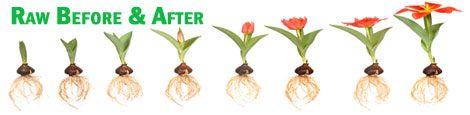
Yesterday, we covered the concept of "unsubscribing" from unhealthy practices. This was of course based on the common Internet practice of subscribing and unsubscribing to various things like newsletters and email lists. I receive quite a few of these each day, many raw foods ones and many non-raw ones. Among the non-raw, one that has been interesting to me lately is called the Art of Non-Conformity, penned by Chris Guillebeau. Basically, Chris' site chronicles his adventures in reaching his personal goal -- to travel to every country in the world! Along the way, he writes about all sorts of out-of-the-box things, as the blog name implies.
Today, he posted something that is remarkably insightful and applicable to our subject matter here, even though his context was completely different. The entry, entitled simply "Before and After," discusses the drinking water problems in much of Africa, focusing for the moment on Liberia. Atop the piece (the "before" picture) is a muddy water hole, the only source of drinking water for one village. The next picture (the "after" shot) shows a different, very happy village obtaining fresh, clean water from a newly installed well. Chris closes his article with the following quote:
Jim here... Here's part two of a video of Wendi showing how to make raw pasta. (If you did not view part one yet, click here to go there now.) She, with the help of her friend Melissa (of Food Under Foot), prepared a beautiful platter of pastas and some sauces that we all enjoyed when I returned home yesterday for lunch.
We hope this video shows you even more how fun and delicious eating raw foods can be!
?
In this video, Wendi talks with Leela Mata about the different branches of yoga and how diet and raw foods affect the practice of yoga. Of all the branches of yoga, Hatha Yoga is the most popular in the United States.Mata Ji explains that it is through the practice of Hatha Yoga, strengthening the body through the asanas (poses), that you awaken on a deeper level. You will become more open to connecting with your spiritual nature, to realizing more about yourself.

Who's been making small changes and feeling a bit brighter lately, since we've been talking about brain health? Today, let's continue focusing on some things we can actively do to minimize our chances of developing memory problems like Dementia or Alzheimer's in the future.
Yesterday we focused on heart-healthy tips to increase brain function (since heart disease seems to be linked with Alzheimer's) and I shared a heart-healthy recipe with you. Today, we'll focus on inflammation.
Read more: Extinguish Inflammation: Anti-Inflammatory Recipe
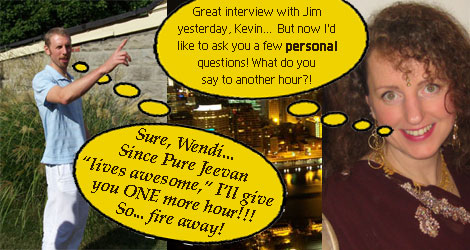
So, did you like Part One yesterday ? Pretty great, right ? Well, today we present Part Two, in which Wendi takes the interview into a more up-close and personal place. In this audio, Kevin shares details about:
-
the first interview he ever conducted
-
what he wanted to be when he grew up
-
what his family thinks of his raw lifestyle
-
his tattoo, Joseph Campbell, and thoughts on life and death
-
spirituality, religion, and guilt
-
the book that opened his mind to a deeper connection
-
running and spirituality
-
his typical day / routine
-
his business expanding
-
what "systems" are and how he uses them
-
the shocking truth about his teen years
-
recent personal development programs he's listening to
-
"taking 1%, applying it, and moving on"
-
mentors and influences
-
the books that shaped his life
-
making shifts in friendships
-
his thoughts on "The Secret"
-
whether he thinks he can do more push-ups than Gabriel Cousens
-
why there was a donkey at his wedding
-
his biggest wish (it's a beautiful one!)
So, what are you waiting for ? Listen NOW!!
Read more: Part *2* of a 3-Part Series Profiling the Multi-Talented Kevin Gianni!