Know Any Literary Animal Lovers?

Hi there PureJeevan readers! We wanted to let you know that Jim's new novel CHROO is available on Amazon. It's a crazy adventure involving a billionaire heiress, her Chihuahua BFF ("Chroo") and a host of human and animal characters. Find out more on Amazon! Here are some links:

I hear the question all the time: "Don't you miss eating out at restaurants " My answer is always, "No. I prefer the fresher organic foods I can create for myself in my own home. I can pay the same amount for better food if I stay at home to eat." It's true, too. I don't miss eating out at restaurants. Sometimes I miss the convenience of someone else doing my food prep and cleaning up afterward, but as far as the actual food that I consume, I prefer the foods we eat at home. Besides, when you eat out as a raw foodist, your choices are limited to only a salad if you live in an area with no raw food restaurants.
Sometime last year, as a treat for Jim, we went to a restaurant. I got a huge salad that I used to love when I ate cooked foods at that particular restaurant. I remembered the greens were always dark, the onions were nice and flavorful, and the dressing was a simple oil and vinegar with salt. Well, after consuming only fresh foods in our home for quite some time, the salad that I used to think tasted so great now seemed to be lifeless and limp. It wasn't enjoyable to eat, and I sure didn't like paying so much for a nonorganic salad that didn't even taste good to me. So, we didn't eat out again after that.

Let's continue this video cavalcade with a very quickly made video basically peeking inside Karyn's Raw in Chicago. I didn't really have an opportunity to spend a good deal of leisurely time there, as I did with two other Chicago area restaurants, so this video is *very* basic, and not at all thorough in terms of what is offered there. But, if you're not from Chicago and have no other way to see it, perhaps its interesting to take a quick (just 3+ min) look. Here's the video:

Two years ago, we were putting the final touches on launching the Pure Jeevan web site and blog. (While the blog archives show material dating back to 2006, the material from '06 and '07 is all pulled from Wendi's "Going Raw" journal, which was kept on another site. We pulled it into this site when we launched it to give those starting out on raw an inside look at one person's experiences in transitioning to a raw food diet.)
Guess what's pulling into Pittsburgh tomorrow evening? Here's a hint (if you don't already know after reading the title of this blog post!):
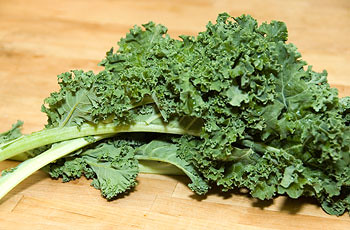
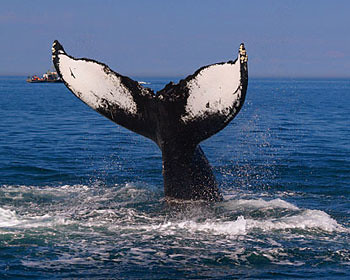
Read more: The Kale Whale Kickoff Event: Kevin Gianni in Pittsburgh!


Welcome to Day One of "Dressings Week" here on Pure Jeevan. After finding out that KDcat took it upon herself to film a segment of "Makin' It Monday, Guest Raw Chef Edition," I decided that we should probably spend an entire *week* focusing on salad dressings.
Read more: Makin' It Monday Guest Raw Chef Edition: KDcat Makes Orange Pepper Cilantro Dressing
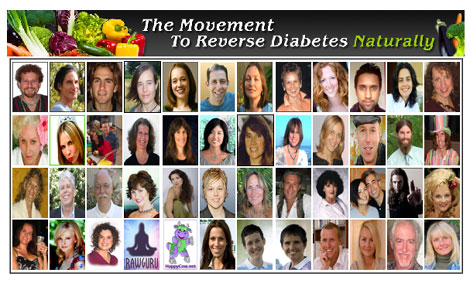
A few weeks ago, we hosted a Diabetes Awareness week here at Pure Jeevan. This was our contribution to the larger Reversing Diabetes Naturally movement that we blogged about. We wanted to let you know that the package of bonus materials offered to people who purchase the Simply Raw DVD is quite amazing! (See this post for details.) We reviewed all of the materials ourselves, and it's just a ton of great information.
The original deadline for receiving the free bonus materials was the end of April. However, the deadline has been extended through Friday, May 8. So, if you know anyone who has diabetes who could benefit from either the ?Simply Raw? documentary and/or the companion film, ?The Ultimate Enyclopedia of the Raw Food Listyle," simply point them to http://tinyurl.com/pj-diabetes.
Read more: Two Days Left for Raw Food Bonus Materials for RDN Movement

Wow, Pure Jeevan is officially coast-to-coast now! That picture, above, is our name written in the Pacific sand. Surely, there's an apt metaphor here, if only I felt moved to make one. Instead, why don't we take a look at what Wendi wrote about this, and see if a life-lesson doesn't spring to life! Her remarks, written for Pure Jeevan readers:
So, the ideal place on paper (Corvallis) wasn t seeming quite like the perfect place for us that we thought it would be. It s an amazing little town, with a lot going for it. If someone is looking for a totally hip, laid-back, creative, educated group of people living in a small town with no unsavory extremes as far as cold and heat, then this is the place for you. For us, however, we now realize that we ve grown to love all that comes with living in a larger city. Corvallis is fantastic, but now we realize we need a larger city.
Read more: Perusing the Peacefully Percussive Pacific, Pure Jeevan Ponders Portland
Jim here... Here's a short video from last Saturday when we were out distributing literature about reversing diabetes naturally and the raw foods lifestyle. In it, we interview a local man, R.T., who had stopped to talk with us, went on his way, and then returned again to where we were standing a few moments later rather astounded.
You see, he'd seen a "before / after" flyer showing Wendi's "pre-raw" pic next to her "raw" pic and couldn't believe the two pics were of the same woman!? Many people who have significant weight to lose (or, like R.T., know someone who does) wonder whether losing so much weight will result in saggy skin. He was so amazed at the transformation, he decided to come back and ask. So, here's the raw answer to that question...
Read more: Common Before & After Weight Loss Question: "Will I Have Saggy Skin?"

It's not much longer before I'll be serving all kinds of delicious foods to those attending the 3-Day Raw Food Spiritual Ashram Retreat! I've been working on the recipes and taking pictures to include with the bound materials going home with everyone attending the retreat.
Today we talk about ways to lessen one's chances of developing dementia, aside from dietary changes. Other than eliminating foods from our diet that may hinder brain function, or adding foods that enhance brain function, what can we do to keep our minds sharp as we age?
The first action step you can take to keep your mind healthy is to physically exercise the rest of the body. By keeping our limbs and muscles active, we are not only enhancing the flow of oxygen throughout our bodies, we're continually working our brains, as well. Every move you make requires a message from your brain to be sent to your muscles. So, the more you move, the more you're exercising that part of your brain.

To keep all of you inspired while we are away, we've asked some
remarkable individuals to share their raw food stories with you. Enjoy!