Know Any Literary Animal Lovers?

Hi there PureJeevan readers! We wanted to let you know that Jim's new novel CHROO is available on Amazon. It's a crazy adventure involving a billionaire heiress, her Chihuahua BFF ("Chroo") and a host of human and animal characters. Find out more on Amazon! Here are some links:

Ever since developing a personal conviction a few years ago that following a raw vegan existence was the best lifestyle for me, I've lived somewhat in conflict with the day-to-day corporate business environment in which I make my living at the moment. As we've directly stated many, many times, we're in the process of changing all of that. But, making such a huge change takes a long time because careers are in many ways very anchoring. We may write more about that process because it's true that going raw (or, really, adopting any kind of diet outside of what most other people eat) can lead to significant changes in your life. Between Wendi and me, I think we've gone through pretty much all of them, and there's certainly value and relevance in sharing most of those things here. Today, though, I thought I'd share what I call my "$75 Salad Story."
In the business world, "networking" is among the more prevalent activities anyone does. It's pretty much always going to involve food , right? It's always a breakfast briefing, meeting a client over lunch, or attending a dinner party (complete with a cocktail hour). ?The deck is more or less stacked against you at these things because, let's face it, they're usually set up to provide what most people perceive as a pleasant experience. And, quite often, that means a certain degree of culinary decadence / indulgence -- invariably at venues that have never heard of raw chocolate or raw apple pie (which, to me, is 10x more appealing and exciting than the ubiquitous "chocolate fountain").
Read more: Jim's $75 Salad: Staying Raw @ Haute Cuisine Destinations
After making a 'batch' of green smoothies, what is generally considered an appropriate serving size?
Thanks for the question, Gary!? I don't think I can give an across-the-board answer to fit everyone, since we're all so wonderfully different. The answer would have to take into consideration various factors, such as:
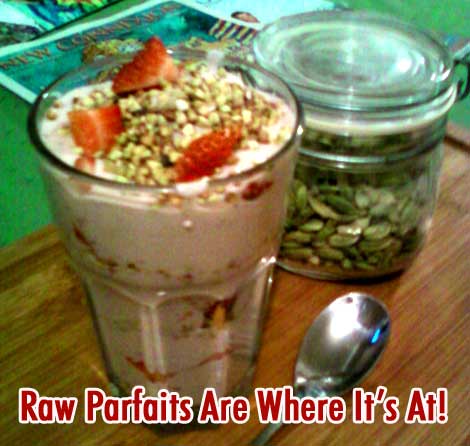
Above is a quick camera-phone pic I posted to our Facebook group lately. I did talk about making raw parfaits on that page, but want to talk a little more about them today, as it's just the perfect time to be talking about delicious raw parfaits (at least here in America, in any case, where many of the fresh berries you'll probably want are cheap and in season). I'll share a brief story about them, and then share my own basic recipe, and then we'll make some plans for MORE parfait talk really soon, okay?
I'm almost hesitant to talk about raw food parfaits here because, well, if the government found out how unbelievably healthy and ENJOYABLE parfaits are, I'm sure they'd make them illegal. But, I'll take a chance...
Jim here... Yesterday, Wendi toughed it out and typed up a lengthy health update (a painful process for her -- trust me!). So, for the rest of this week, I'm going to fill in here (letting her get back to her resting and healing) and share a few interesting stories related to this Lyme adventure. But first, I wanted to add that today brought some great improvements in Wendi's condition. She was able to do a physical movement (wrapping a towel around her head) without pain for the first time in months. So, we really think those antibiotics are starting to kick in.
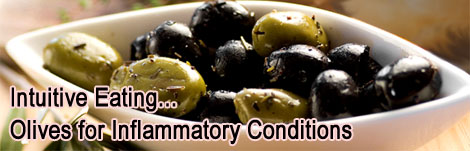
Today's topic is intuitive eating. I'm certain we've covered this many times on the blog here. So, rather than explain what it is again, I'll just share an intresting example. Basically, while dealing with these Lyme symptoms, Wendi experienced a serious craving for olives.

I have enjoyed including information about new people, companies, and sites here in our blog for you to meet each Tuesday. Today, however, I want to do something a little bit different. Instead of someone or something being introduced to you, I'd love for YOU to introduce yourself to ME!
Take the time for ME to meet...
This is a recipe for the coconut shake that brought my cholesterol levels from very unhealthy down to extremely healthy within the span of one month!
Young Coconut Shake
Flesh and water from one young coconut

Today we revive our occasional "Thankful Thursday" feature to give thanks for a special Internet destination: Twitter.com. We're sure a number of you who may be unfamiliar with Twitter may be asking, "What in the world does this have to do with raw foods "
In fact, there's quite a bit of raw foods "activity" on that site! But first, let's take a look at what Twitter is. Basically, it's a web site where you sign up with a username, and then you answer the question, "What are you doing " in 140 characters or less.
I started jumping up and down last night with excitement when I received a call saying that the bellydancing class I've been wanting to take at Khafif Studios has an opening! Yay!!!

(This will be my teacher, Berna!)
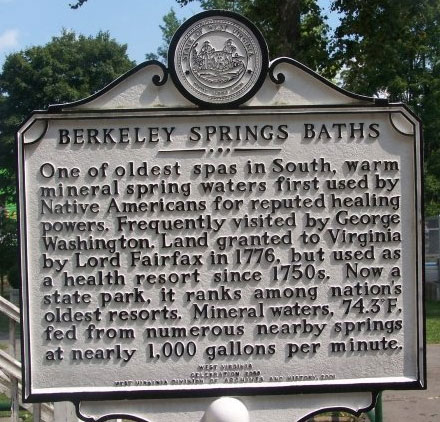
Hi everyone! ?We wanted to announce plans for a raw food picnic / potluck / meetup next Saturday, September 19th, at noon, in Berkeley Springs, WV at Berkeley Springs State Park (link to map), a wonderful natural healing destination about half-way between Pittsburgh and D.C. Wendi was just talking with Rawbin from the Capital Area (D.C.) raw food meetup and we all thought that a combo Pittsburgh / D.C. meetup might be fun. So, we all planned something right on the spot!
Berkeley Springs is a really nice (but small) public park in West Virginia about half-way between Pittsburgh and D.C.I traveled there a few weeks back with Melissa, Dave, Ella, and Bethany on the way to Raw Spririt East. We had a super time soaking in the spring water and checking out all of the cool alternative shops. (I did a write-up here on Pure Jeevan a few weeks ago and posted some video of the place).
Last week for Take the Time Tuesday, I introduced you to a resource for meeting others in your local community. Today, I'd like to introduce you to an amazing place to meet others all over the world who are interested in raw foods!
Take the time to meet...