Know Any Literary Animal Lovers?

Hi there PureJeevan readers! We wanted to let you know that Jim's new novel CHROO is available on Amazon. It's a crazy adventure involving a billionaire heiress, her Chihuahua BFF ("Chroo") and a host of human and animal characters. Find out more on Amazon! Here are some links:

In writing and researching our previous two posts, we came across a number of articles mentioning the benefits of chlorophyll for those who have been exposed to radiation. Nothing seemed to go so far as to call chlorophyll a cure-all. But, many sources cited clear benefits -- and it's great to read about potential preventative measures and treatments available through natural means. For example, the best source we found mentioned some specific studies:

Today, for Makin' It Monday, Jim has taken you through the steps of making a vegetable wrap. He came home for lunch, pulled the veggies out of the fridge, and the filming began. He quickly shows how just about anyone can prepare fresh, raw, delicious food in less than fifteen minutes. His goal was to get it done in under ten minutes, but it actually took about fourteen. Still, fourteen minutes to prepare amazingly tasty, delicious, and nutritious food is AWESOME!
In this special five-part series, Joanna Steven uncovers where some top vegetarian athletes get their protein. Here's part three, focusing on Robert Cheeke's take on this issue.
YELLOW PEA POWDER
In the spring of 2005 this natural body builder became a champion bodybuilder - all on a strict? vegan diet. Robert Cheeke, an activist/athlete raised on an Oregon farm, went vegan when he was 15 years old and transitioned to full on vegan only two months later. Winning titles in Portland, OR and competing at the Natural Bodybuilding World Championships held in California, Robert maintains his intense mass building workout regime on a 100% animal-free diet.
Read more: Vegetarian Athletes Share: Top 5 Sources for Animal-free Protein (Part 3 of 5)
There's an old saying that "What Happens in Vegas, Stays in Vegas." But we're not ones for keeping secrets. So, here's the low-down on Wendi and KDcat's time in Sin City -- straight from Wendi's travelogue, once again!
 We drove to Las Vegas from California, and loved seeing the change as our surroundings became a desert. The snow-capped mountains are such a beautiful contrast in CA, but especially here in Nevada where it's so dry and hot!
This stop was longer than expected, since we decided to change our schedule a bit in order to get some more relaxing time in--and also to allow KDcat to have some fun that didn't involve raw foods or Pure Jeevan activity. ?We decided to hold off on visiting a date farm and the grand canyon (two activities we'd had planned for this leg of the trip) until Jim could do those things with us as a family. We especially missed him during this part of the trip, because he's always wanted to see what Vegas is like in person.
Read more: Las Vegas, Nevada: Relaxing Times and the Raw Scene at Go Raw Cafe

Hi everyone!? Sorry for the late post tonight. I had a busy day, and even met with a new realtor to help me sell The Luck House! (Wish us luck on that front -- but I have a super-great feeling that this new realtor is 10x more professional and knowledgeable than the previous one.)
 Today I thought I'd give you a peek into Wendi's rather fascinating Inbox. While she's away, she asked me to monitor her Pure Jeevan mail box and field as many of the questions as possible. It's been ... interesting! :-)? I never realized the volume of email that she receives! It's almost a full-time job to keep on top of it (which I haven't been able to do as well as I'd hoped -- although I now have it down to just a ?hundred or so unanswered ones, so that's progress!).

I need fast & easy meal ideas (esp. breakfast & dinner) -- time is a luxury I don't have (taking 18 college credits, internship, PT job and I started a natural perfume business!). By the end of the day I am so exhausted that I'd rather not eat than go in the kitchen & try making somethin raw.
If you're dealing with exhaustion or fatigue, we'd like to direct you to a recent blog post discussing the subject. As for time being a luxury, we address that, as well, in the same post. You'll always hear the same thing from us about limited time in relation to your diet: Make the time! Your overall health is what's most important in life and it's imperative that you arrange your life so that you have plenty of time to not only prepare healthy meals, but to also eat them in peace without feeling rushed.
With that said, it's also important to realize that eating healthy doesn't need to take hours out of your life. There are plenty of raw food recipes that are not only quick and easy, but also packed with nutrition! We'll share, below, some links for some of our favorite recipes that are quick, easy, nutritious, and delicious! These recipes are located here on our blog.
Rawbin Rescues Turtle
I had a fantastic time at the 2008 Green Festival in Washington, DC. My wonderful friend, Rawbin, picked me up last Thursday and we had a nice drive back to her place in Maryland. She lives in an almost magical setting with wooded areas, horses, a goat, chickens, dogs, and cats! KDcat will not want to leave when she visits Rawbin someday. Above is a video of Rawbin rescuing a turtle that was in the middle of the road near her home.
What have we been doing lately? Well, one of the highlights would be getting the first and second stages of the All Raw Directory up and running. We have many different stages planned for the future, enhancing the directory as time permits. It's a pretty exciting project, so be sure to become a member of the directory and continually contribute to its growth. It's a fantastic resource for all of us!
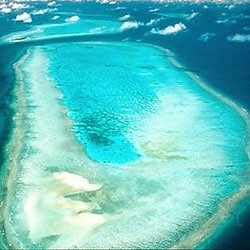
Something has come up and it may put some of our projects on hold for about six months, or so! What could come up to make us give up our goals/plans for 2009? Umm...how about being awarded The Best Job In The World, the Island Reef Job! Australia is doing some major tourism marketing for their lovely Paradise Island. For six months an individual will live in a 3-bedroom home, comb the beach, blog about the experience, do some video blogging, respond to interviewers, feed fish, and just basically live a life in Paradise!!
To live this dream life, you'll be awarded $105,000 USD and be flown to the island!

Happy Navratri!
You haven't been hearing much from me (Wendi) lately, for a variety of reasons. Over the next few days, I'll be celebrating Navratri and posting here on the blog at the end of each day. In my posts, I'll be sharing some of what has been going on with me and why you haven't seen much of me around, as well as comments on my celebration of Navratri.

Hey everyone!? Just one long weekend left for Wendi and KDcat to (frantically) pack for their cross-country roadtrip. Yep, Monday night I'm dropping them on that midnight train to Portland. Wait until you see the spread of trip-snacks they're taking along. (We took some pictures of the raw foods smorgasbord sent by our generous snack sponsor, Natural Zing).
Today, since it's fun-filled Friday, I thought I'd share a little tale of frustration (although meant in kind of a funny way) relating to my own diet. You may have read my mini-manifesto a few weeks ago about my recent quest for simplicity. Well, Wendi and I have both largely maintained that kind of existence for a while now -- especially when it comes to the breakfast smoothies (pineapples galore!) and lunch salads. I have to admit that my energy seems to be trending upward very nicely!