Know Any Literary Animal Lovers?

Hi there PureJeevan readers! We wanted to let you know that Jim's new novel CHROO is available on Amazon. It's a crazy adventure involving a billionaire heiress, her Chihuahua BFF ("Chroo") and a host of human and animal characters. Find out more on Amazon! Here are some links:

We may never fully comprehend the mysteries of life and death. One thing is for certain, however, with both we experience tremendous amounts of emotion.
At this moment, we are experiencing extreme sorrow after the still birth of our niece, Elizabeth Marie. She was named after my mother who died a few years ago. During this period of tremendous grief, we will be spending time with my dear sister and her family, offering our love and support.

Every week I introduce you to some companies or individuals I think may be interesting to you. This time, I want to intoduce you to some handy calculators that will help you monitor your daily intake of nutrients.
Take the time to meet...


Isn't it high time we incorporate more Internet phenomena into our daily lives? Okay, maybe not everything (reminding myself that certain others aren't always amused when I say "BRB" instead of "I'll be right back.") But, I really do think there are some conceptual web ideas out there that could benefit us if applied more often.
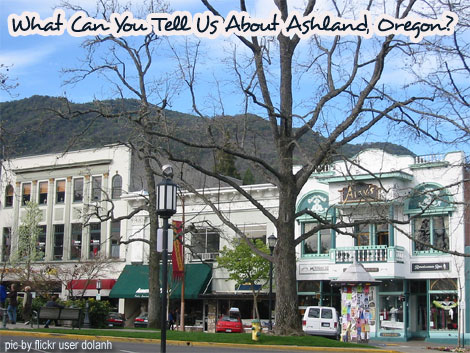
We're still busy researching cities in order to find our future home town!? Our original list of potentials is now more of less narrowed down to a few select areas. That's not to say that we're not still open to further suggestions. (See here for our desires in a new home town.)? At the moment, of the cities/regions remaining on our "active" list, the Ashland, Oregon area is looking fairly attractive. So, we thought we'd take a moment to ask a few questions about Ashland. But first, here's why...
Originally, we felt highly drawn to Corvallis, Oregon. It seemed like the absolute perfect place for us -- a phenomenal homeschooling / unschooling community (which is what first caught our attention), a progressive / artsy atmosphere, affordable land, and super-clean air. Great, right ! ?But then we looked at the amount of sunshine the city received ... hmmm, no improvement whatsoever over Pittsburgh (in fact, Corvallis is, unfortunately, equally as gloomy -- at 44% of the days having sun).
Read more: Moving Update: Some Finalist Towns -- Ashland, Orgeon

Just a quick post on what may or may not be considered "weird" for our inaugural "Weird Wednesday" post. According to a few web sites I checked, around 3% of the population (and I'm assuming this means U.S. population) is vegetarian. It looks like maybe 1% (possibly a little more) is vegan. Of every 100 vegans, how many do you suppose are raw foodists? (Actually, I'm asking; I didn't find any solid answer to that.) Maybe 1 of every 100 vegans? What do you think?
Here's a painfully unscientific, yet still slightly educated guess:
Okay, we promise that, once the "Know Your Food" series normalizes (hopefully by next week), we'll be posting daily 3- to 4-minute segments, not these gargantuan bandwidth- and free-time-hogs! But, it's a decent 8 minutes of solid entertainment (kind of/sort of). So, hope you enjoy. We call this "Episode 1 (sort of)." You'll see why. Includes a few bonus minutes of discussion on goals & synchronicity.
As you saw, we didn't air the entire APPLE show. So, a few notes are in order:

"My biggest problems are starches... I grew up with them so they are emotional comfort foods."
Well, it's great that you already understand that your desire for starches is mostly coming from an emotional connection with those foods. You're already much more aware of your body and its cravings than many others who are trying to lose weight.
If you have a strong connection with starches, then go ahead and eat them in the beginning of your journey to better health. Simply start by adding more and more fresh, raw, water-rich fruits and vegetables. The more you consume healthy fruits and vegetables, the more your body will begin to crave them (no kidding!! You will actually one day crave a salad as much as you're craving starches right now!).
Hi there, lovely Pure Jeevan family members!
It's so sweet that many of you are concerned about us, wondering where we are and what we are doing since the blog has been quiet for quite some time. We feel very loved! *blows kisses to everyone*
Well, our trip to Portland, Oregon, went well. We bought the fixer-upper home that will eventually house Pure Jeevan, and did some preliminary work on it (it's a *true* fixer-upper and is going to require *a lot* of work and investment). A few times during our stay in the new home, Jim and I both looked at each other, wild-eyed, wondering what we had done. Following one's intuition can be a bit scary at times, but we've learned over the years that things always work out for the best and that these sometimes scary, unknown times are what help us grow and learn in ways we had never imagined.
Today, for Take the Time Tuesday, I'd like to introduce you to an online social networking Web site for those with similar interests to get together, meet, and hang out in the physical world. If you haven't already heard about it, check it out!
Take the time to meet....

Today I am thankful for the small things in life that often go overlooked. I'm thankful Jim made some sweet dessert last night when I wanted it. I'm thankful KDcat is having a fun time with some of her friends right now. I'm thankful that: the trash collectors just picked up the garbage (we don't produce a whole lot since going raw); the older woman across the street has started smiling and being nice to KDcat; the sun is out and the snow is melting; I have another computer job to work on for some income.

Many of our visitors go directly to our raw food recipes section of the blog. They must be terribly disappointed to find only a few recipes there. We ll continually add more, but for now there are only a handful. So, it is with extreme pleasure that we introduce you to someone you are going to love!
Take the time to meet...