Know Any Literary Animal Lovers?

Hi there PureJeevan readers! We wanted to let you know that Jim's new novel CHROO is available on Amazon. It's a crazy adventure involving a billionaire heiress, her Chihuahua BFF ("Chroo") and a host of human and animal characters. Find out more on Amazon! Here are some links:

Q. I am trying to go raw and juicing for only two days now and I am soooo hungry and I really don't quite understand what to eat. I went out and bought a bunch of raw vegetables but I am lost on exactly how to prepare the meals and I'm so tired of being fat. Can you direct me to a simple start of book or can you give me some simple recipes or what you did to get started on your first month? Thank you.
Signed,
Frustrated and Fat in Virginia
A. Dear LOVELY BEING,
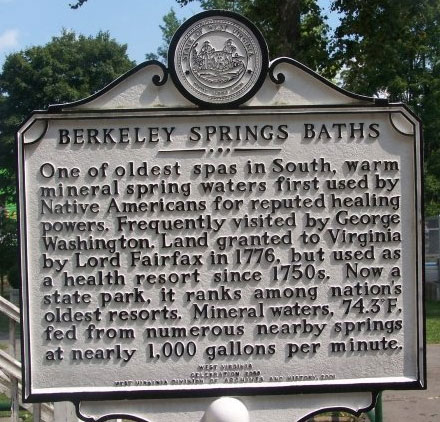
Hi everyone! ?We wanted to announce plans for a raw food picnic / potluck / meetup next Saturday, September 19th, at noon, in Berkeley Springs, WV at Berkeley Springs State Park (link to map), a wonderful natural healing destination about half-way between Pittsburgh and D.C. Wendi was just talking with Rawbin from the Capital Area (D.C.) raw food meetup and we all thought that a combo Pittsburgh / D.C. meetup might be fun. So, we all planned something right on the spot!
Berkeley Springs is a really nice (but small) public park in West Virginia about half-way between Pittsburgh and D.C.I traveled there a few weeks back with Melissa, Dave, Ella, and Bethany on the way to Raw Spririt East. We had a super time soaking in the spring water and checking out all of the cool alternative shops. (I did a write-up here on Pure Jeevan a few weeks ago and posted some video of the place).

Organizing the 3-Day Raw Food Spiritual Ashram Retreat has brought with it the bonus of meeting some fantastic people and the opportunity to learn about their amazing raw food snack companies.

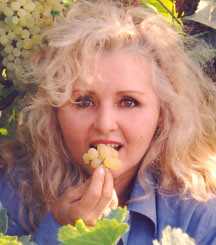
If you are in the Pittsburgh area this weekend, you are in for a real treat! Rhio will be visiting with us and she'll also be meeting with others during her two-part presentation for the Pittsburgh Raw Food Meetup on Saturday.You don't have to be a member of the meetup to enjoy this presentation. Below is information about the event you won't want to miss!
Two-Part Presentation by Rhio includes Dinner
According to Mike Adams of NewsTarget.com:
"Many Florida oranges are actually dipped in an artificial orange dye in order to make them more visually appealing. It's the same dye that's been banned for use in foods because of cancer risk."

Hey everyone!? Just one long weekend left for Wendi and KDcat to (frantically) pack for their cross-country roadtrip. Yep, Monday night I'm dropping them on that midnight train to Portland. Wait until you see the spread of trip-snacks they're taking along. (We took some pictures of the raw foods smorgasbord sent by our generous snack sponsor, Natural Zing).
Today, since it's fun-filled Friday, I thought I'd share a little tale of frustration (although meant in kind of a funny way) relating to my own diet. You may have read my mini-manifesto a few weeks ago about my recent quest for simplicity. Well, Wendi and I have both largely maintained that kind of existence for a while now -- especially when it comes to the breakfast smoothies (pineapples galore!) and lunch salads. I have to admit that my energy seems to be trending upward very nicely!
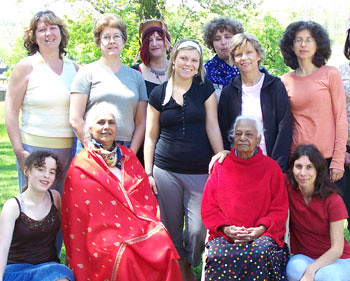
A partial group picture from the retreat.
The 3-Day Raw Food Spiritual Ashram Retreat was a success! All my time and effort that went into creating the event was well worth the experience. When Leela Mata and I discussed a possible raw food retreat about a year ago, I had no idea how to go about creating such an event. I have never done anything like this, so I approached it by asking myself: "What would I want if I was attending a raw food spiritual retreat " From there, I created a retreat that I would love to attend, myself. In fact, when it was completely organized and guests began signing up, I wished that an identical event existed that I really could take part in, as well!

Isn't it high time we incorporate more Internet phenomena into our daily lives? Okay, maybe not everything (reminding myself that certain others aren't always amused when I say "BRB" instead of "I'll be right back.") But, I really do think there are some conceptual web ideas out there that could benefit us if applied more often.

We now have two more raw food snack companies sharing some of their goodies for the retreat gift baskets! A special thank you go out to:
 Picking up from the previous installment, Wendi and KDcat absolutely loved beautiful Corvallis, but ultimately felt it had too much of a small-town feel for us. So, they decided to take a road trip to the nearest big city, Eugene. KDcat and Stephanie (one of the lovely daughters of our Corvallis hosts) were enjoying their time together, so Stephanie decided to come along.
The trip from Corvallis to Eugene is but one pleasant hour's drive.The group's first stop was the Buffalo Exchange, a new and secondhand clothing store. Everyone loved the store, which offered a great selection of? fun clothes you can t usually find in other stores or thrift shops. A barely worn pair of red hi-top Converse sneakers was the highlight of this stop for KDcat. She's been wanting a pair of these exact shoes for ... well, forever! She immediately began decorating them when she had the chance (after they were disinfected, that is).
From there, they explored greater Eugene, checking out areas others had suggested. There were a lot of cute shops, but they were geographically spread out. It wasn t like the neighborhoods in Portland, where you can walk blocks and blocks with unique stores, restaurants, etc., all in a row. There was a nice vibe to Eugene, Wendi said, but something about it just didn t feel like home for us. Wendi said there weren t as many people out and about as she'd expected, but that could have been because they visited on a Sunday. Here are some pics from around town -- and then we'll talk food.
Read more: Eagerly, Everyone Euphorically Explores Eugene. Editorialization Ensues.
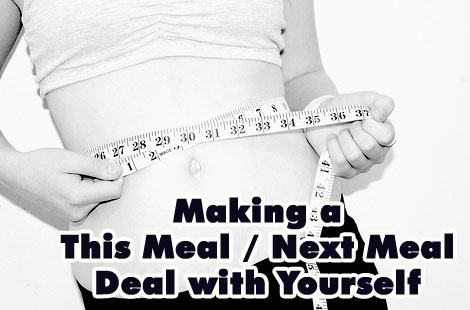
Wow, could this really mark 800 raw food blog posts ! ?We must be obsessive orthorexic raw foodies to have achieved that level of focused health editorial journalism! Post #800 deserves to be something really useful (not that the others aren't or do not deserve this), so we'd like to pass along a fun idea. I guess all of that talk of Donald Trump yesterday got me thinking about making deals. We make deals with others, of course, but I think we also sometimes can make them with ourselves.
I'm so glad to be out of the corporate business world these days, but I did pay attention while there, and perhaps even learned a thing or two. Today's post is related to that in a way. You see, I was once at a sales training seminar when the speaker advised following a "this job / next job" strategy with clients. What that means in business is that, when you're in the middle of one job working for someone -- say, for example, you're a printer working on a brochure for a company -- you would make a point of saying something like, "Hey, this brochure is going great. I was wondering what else is coming in the near term so that we can make sure to be ready for it."