Know Any Literary Animal Lovers?

Hi there PureJeevan readers! We wanted to let you know that Jim's new novel CHROO is available on Amazon. It's a crazy adventure involving a billionaire heiress, her Chihuahua BFF ("Chroo") and a host of human and animal characters. Find out more on Amazon! Here are some links:
Jim here... Yesterday, Wendi toughed it out and typed up a lengthy health update (a painful process for her -- trust me!). So, for the rest of this week, I'm going to fill in here (letting her get back to her resting and healing) and share a few interesting stories related to this Lyme adventure. But first, I wanted to add that today brought some great improvements in Wendi's condition. She was able to do a physical movement (wrapping a towel around her head) without pain for the first time in months. So, we really think those antibiotics are starting to kick in.
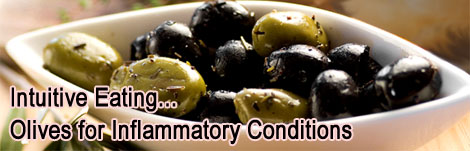
Today's topic is intuitive eating. I'm certain we've covered this many times on the blog here. So, rather than explain what it is again, I'll just share an intresting example. Basically, while dealing with these Lyme symptoms, Wendi experienced a serious craving for olives.

To keep all of you inspired while we are away, we've asked some
remarkable individuals to share their raw food stories with you. Enjoy!

Thank you, thank you, thank you! Today for Thankful Thursday, we wanted to say a special THANK YOU to our readers. It means so much to us that you come to visit our blog. With every new comment (both here on the blog and through email) it fills us with great happiness!
Is there something you'd like to see more of here on our blog? Something you'd like us to discuss? We know you are looking for more recipes, since you've told us (be sure to check out our recent posts where we've linked to some fantastic sites offering recipes!). What else would you like to read about or have us share with you?

Jim here with another exciting edition of Weird Wednesday. You know, each time I say "weird," I don't always mean the same thing. Sometimes "weird" means odd or strange. Other times it means funny or ironic. It might also mean unusual or out-of-the-ordinary. Come to think of it, the definition of weird is also weird.
Today, I was thinking about an old friend, Jim Banholzer. He lived next door to Wendi and me when we first moved to the D.C. area in 1991. We all lived in a small "garden apartment" complex in Falls Church, Virginia. Our roommate at the time worked as a leasing agent there, which qualified us for a decent rental discount. I think we paid $800 or so for the place, an upscale 2-bedroom townhome close to the community pool. Jim lived next door with one of the more unstable people I've ever met (and, trust me, that's saying something).
I was standing in line at the grocery store the other day and plopped a package of chicken wings up onto the conveyor belt. The cashier made some sort of smalltalk -- I think she asked whether I liked wings -- which prompted me to say, "Oh, the chicken is for my dog, Julia."
She looked at me, eyebrows raised. "For your dog "
On this page, we'd like to share some information about vegetable juicers. There are a number of different kinds, and we'll try to offer some background on many of the leading ones. We're affiliates for some, so if you're in the market for one of the ones we discuss, please follow the links we provide (or click the juicer pics) and you'll help support Pure Jeevan. But, either way, we certainly encourage you to consume fresh, delicious, nourishing veggie juices regularly!
The Jay Kordich Juicer -- The PowerGrind
 The PowerGrind Pro is a juicer put out by Jay Kordich, commonly known as the "father of juicing" by many in the raw food / living food world. In fact, our very first juicer was a "JuiceMan" model, purchased back in the early 1990s! But this is an entirely new machine, retooled from the ground up recently. At $289, it's a fairly high-end juicer (as compared with, say, department store models). However, it's certainly got the power and features to back up that level of investment. ?Head on over to the Jay Kordich web site for full details on the latest models.
The Hurom Slow Juicer
 A year or two ago, when we still lived in Pittsburgh, we hosted the Monarch's (Matt & Angela) during one of their speaking tours. I remember Angela firing up their juicer in the morning and I thought (or possibly even said), "Wow, your juicer is broken!" I swore that something was wrong because it didn't sound like anything I'd heard before. But they then told us about what was then the newest juicer on the market -- the Hurom Slow juicer. It's garnered a lot of positive testimonials over the past few years, from quite a lot of juicing enthusiasts. While many of the features are nice, we imagine the the most important potential benefit would be the slower speed, which theoretically means less oxidation, less processing, and thus healthier juice. If we were in the market today, I've no doubt we'd try one of these, too (even at $359)! These juicers are available through our good friends at Natural Zing!

Jim here... We're at an interesting juncture here at Pure Jeevan. For the moment, we're still living a little more "in the box" than we plan to in the near future. One example of this is my personal excitement about Fridays. Oh, I suppose Fridays will always seem special to me somehow. But after years of the corporate routine, Friday remains the most welcome weekday.
Friday signifies the end of the five-day stretch during which most people do whatever they happen to do to pay the bills, to keep (raw!) food on the table, and a roof over their heads. While I know of and admire many people for whom the work week is generally meaningful and rewarding, I suspect that the majority of people go through it simply for the money. Sure, many "like" their job (or, perhaps more aptly, "don't hate it"), but I have met too few who absolutely love their jobs. (Come to think of it, I've met quite a number who actually do hate their work!)
Read more: TGIF!, and a Recap of Major Pure Jeevan Activities
Here's an older post, from August 2008, about modifying one's diet to experiment with attaining even greater health. ?I know the before/after pics, alone, are inspirational enough to live a raw vegan lifestyle!
*blows kisses to everyone*
========================

"Only somebody who really takes the time to understand [Pure Jeevan's Salsa's*] potential can then coax it into its fullest expression. Then, I mean, oh its flavors, they're just the most haunting and brilliant and thrilling and subtle and ... ancient on the planet." ~ Miles Raymond in "Sideways" (2004) (*slightly modified).
Jim here... Over the weekend, I'd made a string of videos for Pure Jeevan using my handy-dandy new phone. To my great surprise, when I went to post them to YouTube, they all came out sideways! So, I'm sorry, friends... you'll have to endure (if you so choose) a somewhat disorienting video, below. But, hey, at least it reminded me of that wondrous quote from the movie Sideways! I imagine Paul Giamatti describing one of my own recent creations this way -- a sort-of half-raw, yet still very healthy delight that I like to make sometimes.
 My reason for featuring a less than 100% raw recipe is two-fold. First, I'd been discussing transitioning to raw (see yesterday's post). And, adding more raw into your non-raw diet is a great way to transition. I believe that raw sauces are an excellent way to achieve this, as I'll explain in the video. Second, if you do prefer a 100% raw dish, then you can simply replace the beans with something else -- perhaps sprouted beans, or maybe your own invention from the dehydrator.

Here's a rare question a Pure Jeevan family member recently asked:
I eliminated 100lbs on raw food, but I've been "stuck" for the last year. I feel absolutely amazing when I can stick to raw food, but it's sooo hard when time is limited!
First, congratulations on your success with the raw food lifestyle! You must be feeling like a new person, even though you feel a bit stuck right now.
It's been a while since we offered an update on Wendi's health challenge. So, I asked if she felt up to writing a blog post to let everyone know what she's going through, highlighting a few new directions taken of late. As usual, I added some color splashes and graphics here and there, just for aesthetics. But, the following post is from Wendi. -Jim

Many thanks and lots of love go out to all of you for the love and support you ve been sending my way. I can t spend much time at the computer, but Jim has been trying to keep up with my email and he s been passing along your love, concern, advice, and healing energy. Thanks so much for everything, including the things that have arrived through the postal service. I definitely feel the love from all of you and I want you to know that each and every one of you means so much to me! * blows kisses *