Know Any Literary Animal Lovers?

Hi there PureJeevan readers! We wanted to let you know that Jim's new novel CHROO is available on Amazon. It's a crazy adventure involving a billionaire heiress, her Chihuahua BFF ("Chroo") and a host of human and animal characters. Find out more on Amazon! Here are some links:

Since Pure Jeevan specializes in raw food weight loss, we receive a lot of questions about what is required in order to lose excess weight. Many individuals want to know if they need to go on a 100% raw food diet in order to release excess weight.
The answer is, "No, you do not need to switch to a 100% raw food diet in order to lose weight." If you're asking if a 100% raw food diet works better for losing weight than slowly transitioning and increasing your raw food intake, the answer is still, "No."

Day 7: Happy Navratri! It's the final three days, and today begins the special day of focusing on the attributes of Goddess Saraswati, recognizing those same feminine qualities within ourselves, and drawing inspiration to continue growing and changing in the most wonderful ways.
 Saraswati has always held a place of honor in our home. When we traveled to India a very long time ago(*), we purchased a batik wall hanging of Goddess Saraswati and framed it. It's quite large and we've always hung it in places where we wanted to focus on the energy that she represents to Hindus: creativity (particularly in the areas of music and art) and knowledge/intelligence (usually linked with education and literature).
All this week on the Pure Jeevan blog, we'll be focusing on diabetes and the movement to naturally reverse it. We're working up to April 25th (my birthday!), which has been selected as the official Reversing Diabetes Naturally Day.
A warm, intelligent, and loving individual named Dr. Gabriel Cousens has been doing ground-breaking work and research on diabetes and diet. What he has found is so surprising that many people dismiss what he is saying, believing it to be false. But, I (along with many others in the natural health movement) am here to tell you that what Dr. Cousens has discovered is TRUE! You probably already know what he has discovered, of course: a change in diet (particulary including raw foods) can reverse diabetes!
Dr. Cousens did a small study on some diabetic individuals, documenting his work and findings. The resulting documentary is remarkable. We hosted a viewing of the movie at our home and the room was packed. Everyone sat silently, absorbing the truth of what they were seeing: diet CAN make a difference in a disease that is thought to be permanent and debilitating. Many of us had tears silently streaming down our faces, touched by the moving stories that were shared in the documentary. We were filled with a sense of excitement that there IS hope for those with diabetes!
Read more: Our Focus This Week: Reversing Diabetes Naturally

The diets of raw foodists are as varied as those of individuals consuming the Standard American Diet. The majority of raw foodists are either: 1) gourmet raw foodists, who consume dishes that are usually heavy in fat from nuts (Pure Jeevan started out this way); 2) basics raw foodists, who don't process their fruits and veggies in blenders, food processors, or dehydrators; 3) mono raw foodists, who consume single foods for each meal (i.e., a meal of only apples for breakfast, romaine lettuce for lunch); 4) low fat raw foodists, who consume processed meals at times, but prefer to keep their fat intake below 20% of their calories (Pure Jeevan is working toward this); and
Take the time to meet #5 ...
This is a recipe for the coconut shake that brought my cholesterol levels from very unhealthy down to extremely healthy within the span of one month!
Young Coconut Shake
Flesh and water from one young coconut

Here's Part Two of our interview with Hatice Yavuz, co-owner of Cousin's I.V. raw restaurant in Chicago. Yesterday we talked a lot about Cousin's restaurant and the stories behind that (as well as some interesting notes about European and Turkish culture and attitude toward raw foods). Today we'll get into some of the effects experienced by many after going raw -- things like raw food detox and the strengthened connection between mind and body. Interesting stuff!

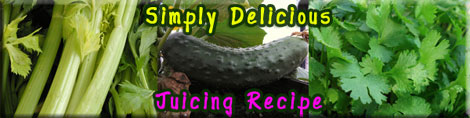
For today's installment of Makin' It Monday, we wanted to share something that we've been making a lot of lately. It's so simple, yet so delicious and refreshing. Here's the recipe:
- 2 cucumbers
- 3 large stalks of celery
- 1 handful of cilantro
That's all!? You might finish with a pinch of your favorite salt (optional).? Also, since the cucumber is an extremely water-heavy veggie, I would advise you to run it through the juicer several times. Here's what I do:
Read more: Makin' It Monday: A Simply Delicious Juice Recipe
Here's a basic recipe that can be used to create any nut milk!
Nut Milk
1 cup of nuts or seeds?

We've spent some time on this blog talking about how much fun you can have via the meetup.com web site. If you search that site, you can probably find raw food meetups near you!? But, a few readers have asked us some follow-ups, such as What should I bring and What should I do if I'd like to host a raw foods meetup
*Attending* Raw Foods Meetups
Okay, so you signed up for a raw foods meetup group, waited patiently for the next event to come round, and now it's time!? But, wait... this is your first such outing. What should you bring
Read more: Raw Meetups: What to Bring, How to Host Them (Part 1)
 After our Oklahoma stop, we had back-to-back visits with family. During our 40-day tour, we had a great time at every place we stayed. There's something extra special about being with family, however. KDcat especially loved this part of the trip, where she could stay up late and sleep in every morning.
Our first stop was St. Louis, Missouri, to see Grandma and Grandpa Dee, and Aunt Jeanne. We did some shopping at Whole Foods, bought lots of organic produce, and prepared some raw dishes to share with everyone. We purchased a young coconut and KDcat used Grandpa's hatchet to show everyone how to open a young coconut. Jim's mother learned to make raw hummus, without chickpeas, and even agreed to be a guest chef for a Makin' It Monday raw food recipe video! So, we'll be sharing that with all of you in the near future! Aunt Jeanne loved the hummus, as well as the raw tacos we created. She seems to have a liking for raw foods, so who knows...you may be seeing another Dee online sharing info about raw foods in the future ! Grandpa is always a fan of apple pies, so he thoroughly enjoyed the pie we created during our visit. Grandpa and KDcat also spent some time talking about music, a passion for both of them.
Our second stop was Geneseo, Illinois, to visit with Aunt Cindy, Uncle Ray (who had to work during our visit), and cousin Destiny. KDcat and Destiny don't see each other very often, so this was a real treat. Destiny's a sweet girl who became a vegetarian over a year ago (she's the only vegetarian in her home)! That's a huge thing to do when you're just a young teenager and we're proud of her for taking her health into her own hands (and for saving the animals!). We took a lot of pictures while visiting. In the photoset, you'll see that somehow a monkey crawled onto KDcat's back and hung around with her most of one day (in which she was dressed up in quite the outfit!). That monkey found its way into all kinds of interesting places (in a park, playing on the slide, swing, etc., and even in the house playing the piano -- and I caught him trying to steal some of my bananas!). The weather was beautiful during our visit, so we spent a lot of time outside, walking and enjoying the beautiful time together. At this stop we created a raw apple crumble, which Aunt Cindy later modified with blueberries. We're gently nudging her to make a video of the recipe she created, so we can all see how it's made! It sounded delicious.
Read more: Family Visits During Our 40-Day Tour: St. Louis, MO, and Geneseo, IL

Brutal Honesty. 100% Transparency. Unedited Feedback. Absolute Truth. ... How often are we treated to these things by those we know? How likely are we do conduct ourselves with these ideals in mind?
Propriety. Politeness. Decorum. Political Correctness. ... How often do these conventions in others prevent us from knowing what others think of us? How often do these conventions in ourselves restrict our own words when directed at others?
Read more: The Gift of Honesty: The "Crazy" Life of Raw Foodists