Know Any Literary Animal Lovers?

Hi there PureJeevan readers! We wanted to let you know that Jim's new novel CHROO is available on Amazon. It's a crazy adventure involving a billionaire heiress, her Chihuahua BFF ("Chroo") and a host of human and animal characters. Find out more on Amazon! Here are some links:
Some of you who are new to raw foods may be happy to learn that there are festivals for individuals interested in the raw foods lifestyle! They are a fantastic opportunity to meet like-minded friends. For those of you who attended the Raw Spirit Festival in 2008, seeing images from that event may stir the magical memories you collected while there.
Below is part two of a two-part guest piece by Rawbin Anderson, in which she recounts her 2008 Raw Spirit Festival J.O.B. experiences of working in the kitchen. Rawbin is now the Raw Spirit Festival East Coast Manager and can be reached at Rawbin [at] rawspirit.com.
?
Read more: A J.O.B. (Joy of Being) at the Raw Spirit Festival (Part 2 of 2)

There are many things to be thankful for in this life, but for our very first Thankful Thursday entry we'd like to stress how thankful we are for the vibrant health we now have. Consuming only fresh, organic raw fruits, vegetables, nuts and seeds has allowed our bodies to heal from the inside out. For this we will forever be thankful. In fact, we are so thankful that we are here, as Pure Jeevan, to spread the word about how raw, life-filled foods can bring you renewed health!

Here's some coconutty video footage from our Florida Keys excursion. First up is some footage of Randesh, from www.TheGuana.com, who obtains fresh coconuts for Charlie Wilson's Key West restaurant, Help Yourself (see yesterday's blog post).Notice that Randesh uses a proper piece of equipment -- a large machete (or cutlass) -- which makes short, easy work of opening these precious gifts of nature! In the video footage following that, you'll see how comically difficult it is to open a young coconut when you lack the proper equipment. We actually went out looking for a machete, but could only find a large chef's knife at a local K-Mart. Yep, they were sold out of machetes! (Ironically, the chef's knife -- the heaviest one the store had -- cost about $17, while plain old machetes run just $10 or so at most hardware stores. Next time we'll keep looking...)
 On March 6, Wendi and KDcat arrived around dinner time at their next location, Grants Pass. We've known their hosts as online friends, so it was a real treat to meet them in person. Rebecca Leaverton, her hhusband Dominic, and their twins Aubrey and Sebastian live in a beautiful home in one of the more beautiful places W&K have visited in Oregon (and that's saying something, as EVERY location in Oregon has been absolutely beautiful). Grants Pass is surrounded by the most breathtakingly gorgeous mountains, close and ever-present no matter where you are in the city. If we ever do decide that city living isn't for us, Wendi said she'd love to live in the mountains surrounding Grants Pass!
Here's some video... In the first clip, Wendi shares a raw traveling trick she came up with -- kind of a high-energy, super-fast sandwich. Then Rebecca (aka SuperfoodGirl -- from www.SuperfoodGirl.com) demonstrates one of her favorite pieces of kitchen equipment, the V Slicer. (Wendi loved it and says we need to save up and get one when she returns from the trip.) And then we couldn't resist a few moments of footage of Rebecca's twins out exploring the kale and wheat grass in? theback yard.
Read more: Grants Pass' Great People, Giant Peaks, & General Pleasantry


As promised, here is the picture again of the Mexican meal I created the other day. It will be served at the upcoming 3-Day Raw Food Spiritual Ashram Retreat (only a few spaces left!). Since many of our readers can't make it to the retreat, I said I'd post some of the recipes here in the blog. I hope some of you will try to create the recipes and let me know what you think!
In a recent post, I answered part of a message I received from Violet, one of our blog readers. Below is the continuation of my response to Violet (much briefer than my last one!).
Following my response to Violet is a response to Sarah, who has a fantastic raw food blog that I enjoy reading.
Violet's message continued:
Read more: Reader Questions: Raw Transition Support, Identify Peas

Let's stay sharp by learning about brain power! Did you know that the less exercise your brain receives through reading, learning new things (like you do here on our blog!), playing games, and contemplating puzzles the more it is likely to become weak and not serve you well into your centenarian years? Scientists have been trying to figure out ways to improve the brain's function and have learned a lot, but are still uncertain what causes Alzheimer's Disease, or any other form of Dementia.
If you ve ever known someone who suffers with a loss of mental capabilities, you know how sad and sometimes scary that can be. Last week, Jim posted a blog that touched a bit on the subject of Alzheimer s Disease. He wrote in that article, ?I want better than just a small chance that I ll live healthfully for a full lifespan. I want to stack the aging deck in my favor. ?Eating a healthy, raw food diet is something Jim was hoping to use in order to stack the deck in his favor of a life free of memory loss and full of vibrant health.
Jim here... Wow, it's Monday, April 27! Let's do something different today: Let's celebrate Monday instead of bemoaning this day that represents the taditional start of the dreaded work week. Why? Because it's our sincere hope that whatever you do in your work week is a labor of love. And, if you're not quite there yet, then celebrate the fact that you WILL be there sometime soon. For us, it means another week of working to inspire you to achieve optimal health -- and that's not "work" at all; it's actually FUN!
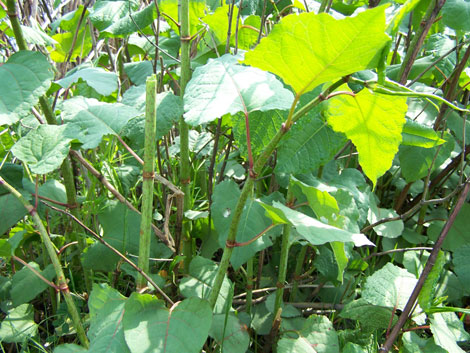
So, without further adieu, let's jump into this week's fun. Our good friends Melissa and Dave Sokulski have launched a site recently called FoodUnderFoot ("unleash the energy of wild edibles"). Even in it's young seedling state, I think it's already a fascinating site, and promises to become an encyclopedic web destination for anyone interested in foraging wild edibles. So, check them out for some informative info and valuable freebies, too!

To help keep all of you inspired, we ve asked some
remarkable individuals to share their raw food stories with you. Enjoy!
Jim here... Today is April 25, 2009 -- Wendi Dee's Birthday!!? She's asleep now. It's 1:30 in the morning & I've been up for hours assembling something stunningly amazing to share with you. You see, this year, I asked some friends, family, and foodies to take a page of a sketchbook and offer Wendi some Happy Birthday wishes -- and then send it back to me so I could bind it all into a large book!? WOW!!! WOW!!! WOW!!! Check out the response from 40+ people from around the globe. It's a little overwhelming to see this much positive energy in one place. What a momentous day she's in for in another 5 hours or so when she gets up and is greeted by such a surprise! If you'd like to say Happy Birthday, just leave a comment here! Thanks to everyone!
Clarifications: (1) Yes, as some of you may have guessed, Wendi's body has circled the sun more than 25 times. If you visit the site, I explain what the "25th" birthday means a little more. It's basically about the amazing power of raw foods. (2) No, I didn't send messages to David Wolfe, Gabriel Cousens, Woody Harrelson, or other raw food celebrities Wendi isn't friends with. However, if they are huge fans of Wendi's, they are more than welcome to contribute via email or comments! LOL ;-)
Original Comments
Below, we have included the original comments from this blog post. Additional comments may be made via Facebook, below.
On April 25, 2009, wrote:
Happy 25th Birthday Gypsy!!!
I so wish to be there with you celebrating this amazing day, but as I can't, I send you lotsof e-love.
*hugs tightly*
I LOVE YOU!!!
On April 25, 2009, wrote:
Happy Happy Birthday Wendi.............wishing you al the happiness your heart can hold, on this special day of birth and always...........you inspire so many!!!!!
On April 25, 2009, wrote:
Happy Birthday Wendi!
I had posed this question in another post on this site, can't remember where now!
But I will post it here too
On my birthday I like to look back to last year's birthday to see what about me has changed!
What about you Wendi? What has changed about you
Hope there are lots of ovely surprises in store for your big day!
Sheryl Miller
Austrlaia
On April 25, 2009, wrote:
wishing much peace, love and joy to you on this special day... Happy Birthday, Wendi!
On April 25, 2009, wrote:
Happy Happy Birthday, Miss Wendi Dee! I hope your day is a joyous as ever. ;)
On April 25, 2009, wrote:
Very, very Happiest of Birthdays, Dearest Wendi. You give so much of your essence and touch many souls. I wish you a day that is beyond beautiful and filled with joy and blessings as you embark on another wonderful adventure around the sun. And love LOVE love abound...always. xo
Blaq Berry
On April 25, 2009, wrote:
Happy Birthday lovely lady!!! I'm sure you'll be glowing all day! :)
On April 25, 2009, wrote:
Seesmic video reply from Disqus.
On April 25, 2009, wrote:
That is the best present ever!
And Wendi, if you did not know it before, I think you now are sure....
You Are Loved!!!!!!!!!
Happy 25, can't wait for your 24th next year!!!
love love love deb
On April 25, 2009, wrote:
Happy Birthday Wendi. Thank you for being such a light in the world.
On April 25, 2009, wrote:
Happy Birthday Wendi!
What a beautiful book!!! I am so happy to be part of it, and thanks Jim for posting the whole thing! It is just beautiful.
We love you!
~ Melissa
On April 25, 2009, wrote:
Hey Girl! Happy, happy day to you and thank you Jim for inviting Bo and I to be a part of this special day!
Revvell
On April 25, 2009, wrote:
Hey Girl! Happy, happy day to you and thank you Jim for inviting Bo and I to be a part of this special day!
Revvell
(Did this twice since I had to figure out the system)
On April 25, 2009, wrote:
Happy Birthday Wendi GIRL!!!
Have lots of fun in this, your 25th year. Blessing and love all around. Kisses riding on the wind for you.
Much love!
P. Lis
On April 25, 2009, wrote:
Have a wonderful amazing Day of Incarnation, the sweetness of your eternal spirit always shows!
XOXO!!!
Jill
p.s. thank you to Jim for being such an awesome partner :)
On April 25, 2009, wrote:
I'm glad to know Wendi's birthday was as special as she and her family are. And I love the phrase "Wendi s body has circled the sun more than 25 times." I'm gonna try to remember that one for birthdays!!
On April 25, 2009, wrote:
Not even having met you, Wendi, I can always feel your love for others online. Thank you so much for all you do for others. You are a true jewel in this world!!
Much love and birthday hugs,
Jenny
On April 25, 2009, wrote:
May this be the beginning of the happiest birthdays of your life.
love joy and peace
fatima
On April 25, 2009, wrote:
Happy Birthday, Wendi!!
Best wishes!!!
Keep shining!!!
On April 26, 2009, wrote:
Happy Birthday, Wendi! Thanks for all the gifts you've given us!! XOXOXOX
On April 26, 2009, wrote:
Hi Wendi ~ I'm sending HUGE birthday wishes all the way from Washington State! I hope you have a wonderful day!
Debbie *�*
On April 26, 2009, wrote:
Wendi have a blessed day as you have so blessed others.Because you have sown so
much enjoy the returns! Have many more circles around the sun, Love Diane
On April 26, 2009, wrote:
let your light shine and radiate in every nook and corner of our beloved planet and beyond, and let me whisper happy birthday in your ears,thank you for being here
On April 26, 2009, wrote:
Happy Happy Birthday Wendi!!!!
On April 26, 2009, wrote:
Happy, happy, happy birthday Wendi Dee!
hugs from Florida where the coconut grows :)
love
sheila
On April 26, 2009, wrote:
One happy birthday is never enough, here is another one :) <3
I will add to the notebook! I was afraid to sign the real thing, in case it got lost in transit after sending it back :(( I would have felt so awful. I hope you're having an amazing week!
On April 26, 2009, wrote:
Wendi,
So Happy Birthday.I had no idea it was your birthday.I was gone for a few days off computer.BUSY! And still wanted to wish you a Happy belated Birthday! Bye Dianne (DianneRawGirl)
On April 27, 2009, wrote:
Happy Birthday beautiful Wendi!!
You are such a light in this world....I hope your day was filled with light and joy and wonder!
Hugs, Tina
On April 27, 2009, wrote:
Ulol, my love!!! *blows kisses*
This birthday was THE BEST EVER! Even though you weren't physically here with me, it was extra special because I had your special contribution to my birthday book! It made me cry so much to see your page in the book. It was VERY special to me!
I miss you so very much! Thanks for stopping by the blog and leaving a comment, but most of all for always sharing your love and friendship with me.
I love you, too!
Wendi
XOXOXO
On April 27, 2009, wrote:
Thank you so very much, Mary!! It was THE BEST birthday EVER!!
I'm so happy that I can inspire others--all of you have given me so much love in return and that has meant the world to me!
Lots of love to you,
Wendi
XOXOXO
On April 27, 2009, wrote:
Thanks, Sheryl!
I responded to your original question a few minutes ago on the other blog post. :-)
Thanks, again!!!
Lots of love to you,
Wendi
XOXOXO
On April 27, 2009, wrote:
Thanks so much, Carlos!! Thanks for being a special part of my birthday gift, and for saying Happy Birthday to me on your blog, too!
I love you!
Wendi
XOXOXO
On April 27, 2009, wrote:
Thanks so much, WendiLou!!! It was The BEST birthday EVER!!
Lots of love to you,
Wendi
XOXOXO
On April 27, 2009, wrote:
Blaq Berry!!! You are always so loving to me. *hugs* Thanks for your sweet comment. :-) Thanks for being such a special part of my birthday gift!
I love you!
Wendi
XOXOXO
On April 27, 2009, wrote:
I've been glowing all weekend, Rawbin!! It was THE BEST birthday EVER!! It lasted all weekend and continues through today as I read and respond to all of the love-filled comments that have been shared with me. :-)
I love you!
Wendi
XOXOXO
On April 27, 2009, wrote:
My first video reply on the blog!!! I LOVE IT! I LOVE YOU!!
*blows kisses*
XOXOXO
On April 27, 2009, wrote:
It really IS the BEST PRESENT EVER!!! Jim says he's screwed for next year--no way to top this one! ;-)
I think you know me so very well. Yes, I didn't truly realize how much everyone does love and care for me. After this, how can I ever doubt? I am blissfully blessed.
Thank you so very much for being a part of my special gift, Debbie!
I love you!
Wendi
XOXOXO
On April 27, 2009, wrote:
Elizabeth!
Thanks so much! I had THE BEST birthday EVER!!
Lots of love to you,
Wendi
XOXOXO
On April 27, 2009, wrote:
Thanks so much, Melissa! Thanks for making my birthday celebration continue through Sunday, also! You are such a dear friend to me.
I love you!
Wendi
XOXOXO
On April 27, 2009, wrote:
Thank you, Revvell and Bo!! I LOVE that you were both a part of my gift! It has been THE BEST birthday EVER! It's one I'll NEVER forget!
I love you both!
Wendi
XOXOXO
On April 27, 2009, wrote:
Thanks so much, P. Lis!! Thanks for being a part of my gift, also. Jim said he was impressed with your artwork--he hasn't seen your paintings, yet, I told him! You are truly gifted!
Lots of love to you,
Wendi
XOXOXO
On April 27, 2009, wrote:
Jill! Thanks for such a sweet comment. It was THE BEST birthday EVER! I can't even imagine a better one in another incarnation! :-)
Lots of love to you,
Wendi
XOXOXO
On April 27, 2009, wrote:
Oh, it WAS!! It was so very special Allison!! Thanks for being a part of my gift!
Lots of love to you,
Wendi
XOXOXO
On April 27, 2009, wrote:
Thanks so much for your sweet comment, Jenny! You are very welcome--I love helping others.
I hope to one day meet you in person--maybe while we are on our cross-country tour!
Lots of love to you,
Wendi
XOXOXO
On April 27, 2009, wrote:
Fatima! This was definitely the happiest and BEST birthday, ever!! Thanks so much!
Lots of love to you,
Wendi
XOXOXO
On April 27, 2009, wrote:
Thanks, R_Eli! I had a fabulous birthday!!
Lots of love to you,
Wendi
XOXOXO
On April 27, 2009, wrote:
Thanks, Jacki!
You are very welcome for all of the gifts! I love giving to others!
Lots of love to you,
Wendi
XOXOXO
On April 27, 2009, wrote:
More birthday wishes from Debbie! Thanks so much!!
*blows kisses*
Wendi
XOXOXO
On April 27, 2009, wrote:
Thanks so much, Diane! It was surely a blessed day for me!
Lots of love to you,
Wendi
XOXOXO
On April 27, 2009, wrote:
Anasha! Thanks so much for your beautiful birthday wish!!
Lots of love to you,
Wendi
XOXOXO
On April 27, 2009, wrote:
Thanks, Vebanmimi! I had a wonderful day!!
Lots of love to you,
Wendi
XOXOXO
On April 27, 2009, wrote:
Sheila! Thanks so much! I had the BEST birthday EVER!!
Lots of love to you,
Wendi
XOXOXO
On April 27, 2009, wrote:
Thanks for all of the birthday wishes, Joanna!
Yes, please add to the special notebook. I welcome a page from anyone who wants to contribute. It is such a special gift to me; it's one that I will always cherish!
Lots of love to you,
Wendi
XOXOXO
On April 27, 2009, wrote:
Thanks, Dianne! It was a fantastic birthday!!
Lots of love to you,
Wendi
XOXOXO
On April 27, 2009, wrote:
Thanks so much, Tina, for your sweet comment!
Yes, my day was absolutely filled with light and joy and wonder!! It was THE BEST birthday EVER!!
Lots of love to you,
Wendi
XOXOXO
On April 27, 2009, wrote:
The pleasure was all mine, I hope you pass that Birthday love down to all the future generations.. are you listening Kat ??
love you too!
Deb xoxoxo
PS Sam had fun with her drawing too, lest you think I drew that!!!!!hee hee
On April 29, 2009, wrote:
You're very welcome. It was our pleasure and what a GREAT idea Jim had!
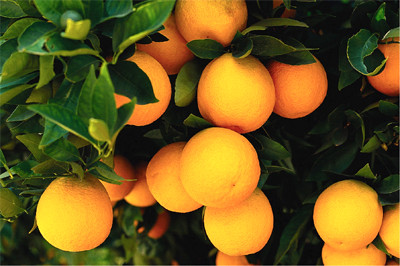
I ordered a case of organic, fresh-picked, perfectly ripe oranges!! Yay! They were shipped in less than 24 hours of my order and they should arrive soon! I asked for some grapefruits in there, too, even though I haven't really liked the taste of them in the past. I'm thinking that fresh ones will taste a lot better--not to mention that I never tried an organic one before. If I still don't like them, Jim and KDcat will eat them. ;-)
If you want to check out the grove from where I ordered them, here's a link: http://www.flnaturalcitrus.com/. I emailed with Dave, who was very nice. It's fun to get to know the people you are getting your food from, isn't it? This past spring, summer, and fall we were members of a CSA (community supported agriculture) farm. The produce was amazing and it was so fun to actually see pictures of the farm workers and hear about the daily ins and outs of life on the farm. If you've never heard about a CSA, maybe you'll want to see if you have one in your local area this coming spring.